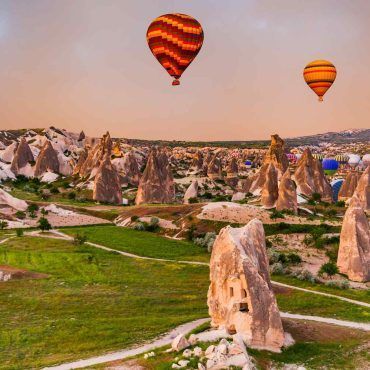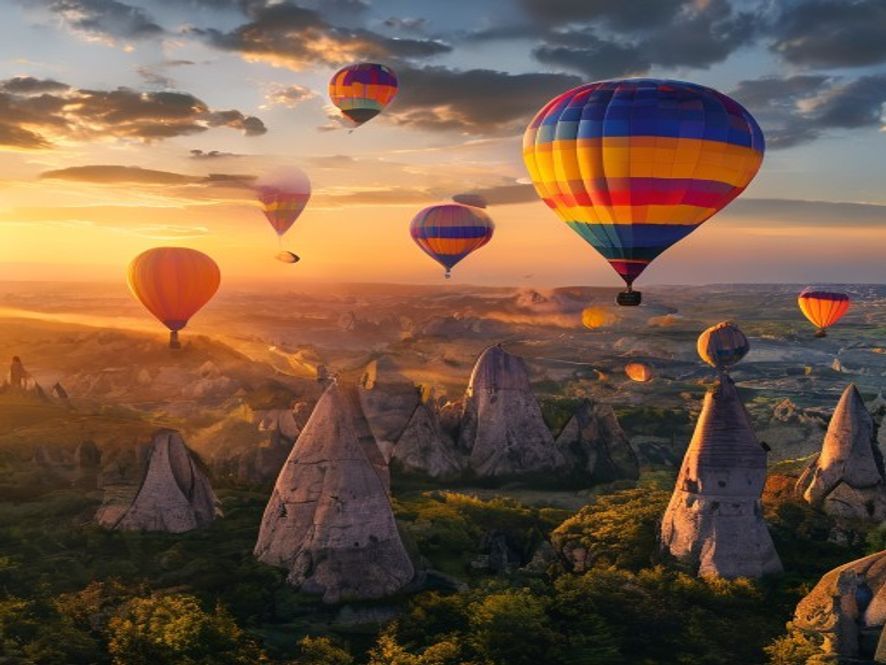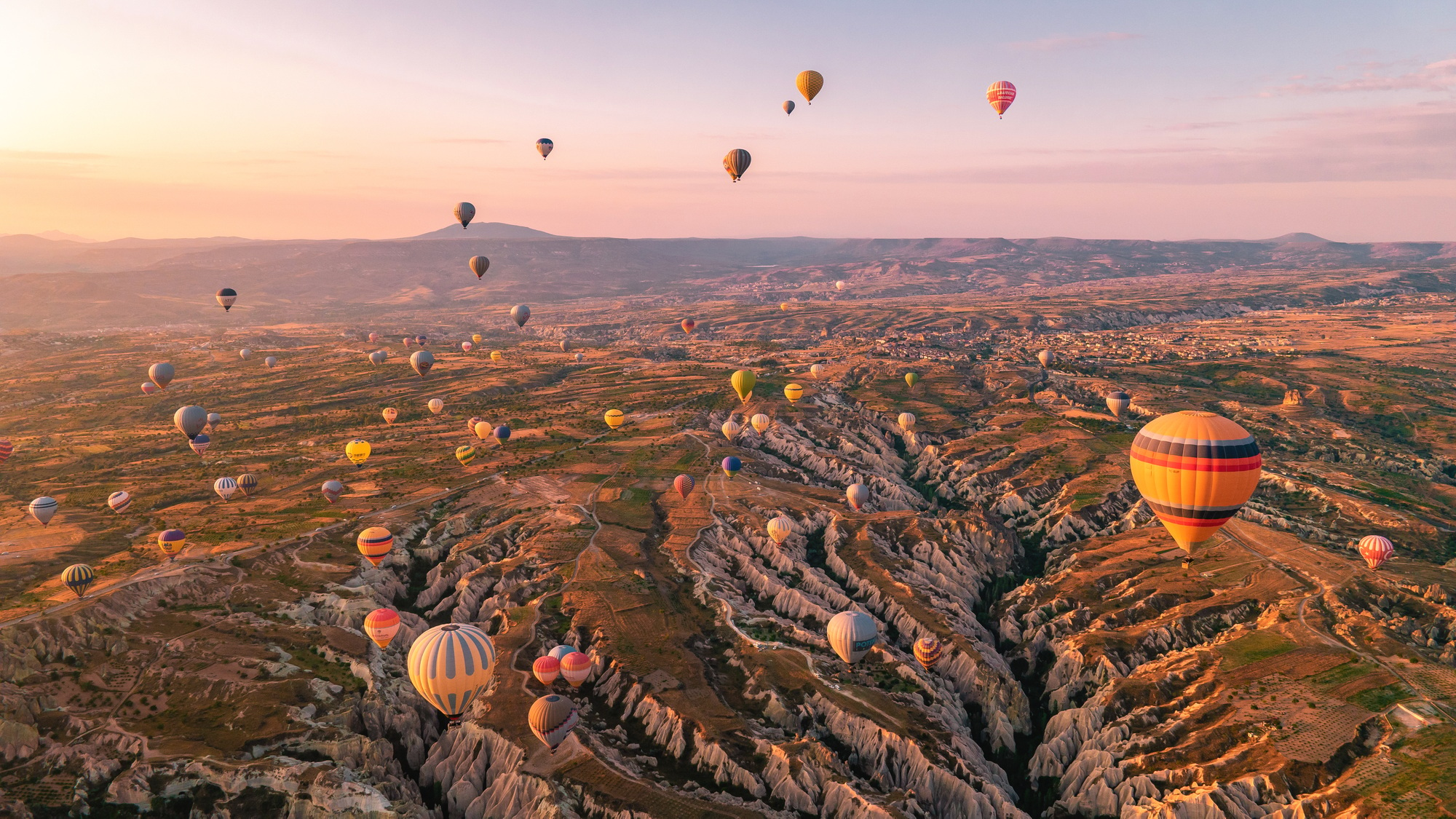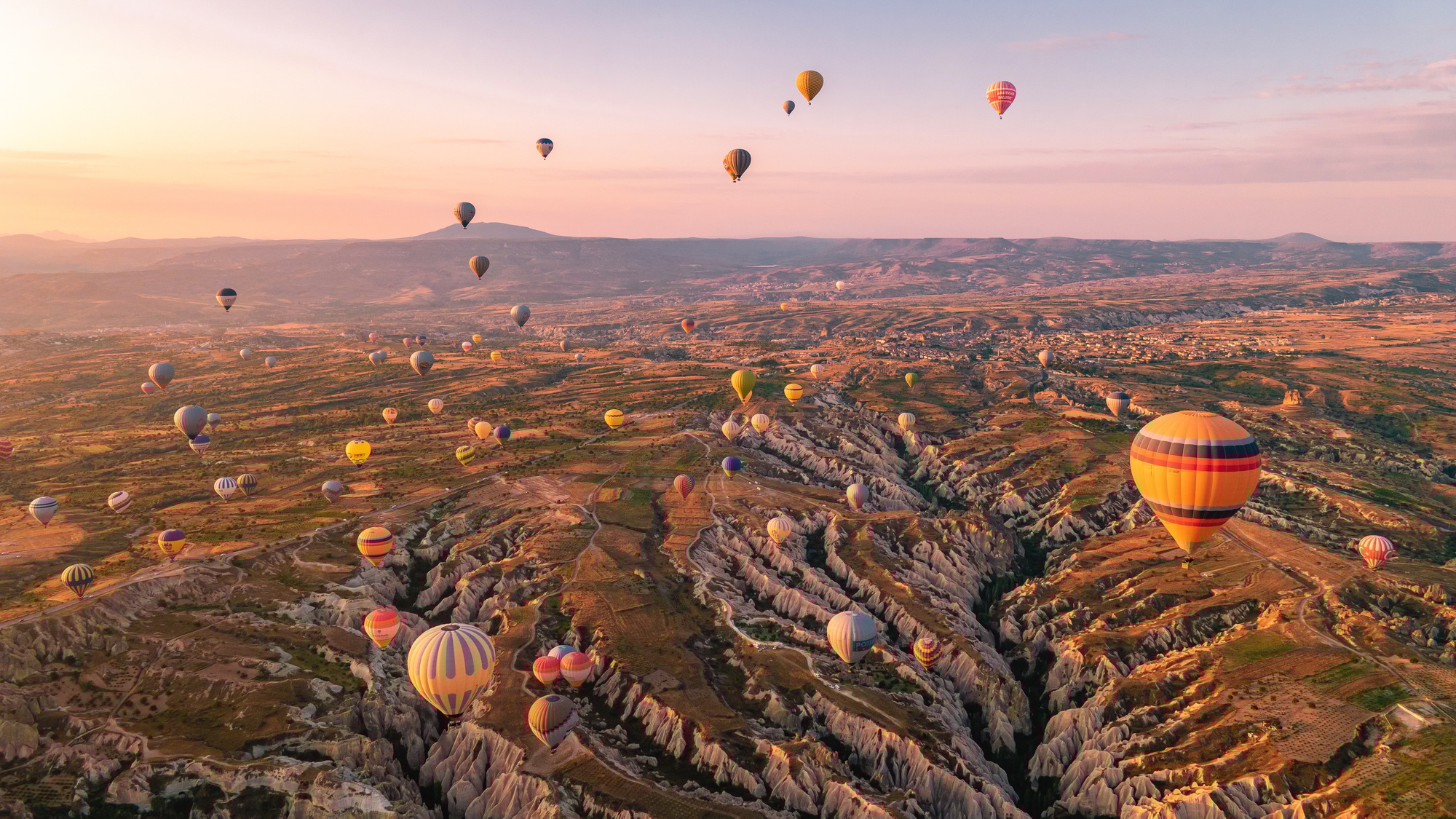
A hot air balloon ride in Cappadocia starts at 4am and lands somewhere between 200m and 600m altitude above the Göreme valley. What feels comfortable on a sunny July afternoon in Göreme town is completely wrong for a pre-dawn launch in the same month. The temperature gap between your hotel bed and the balloon basket can be 15°C or more — and most first-timers get it wrong. Here's what to actually wear, broken down by season.
The Temperature Reality
Two temperature numbers matter for balloon rides: the ground temperature at 4am, and the additional cold from altitude and wind chill. These are not the same as the daytime forecast you checked before booking.
Even in August, ground temperatures at 4am in Cappadocia sit around 18–20°C — cool enough to be uncomfortable in shorts and a t-shirt. Once the balloon climbs, standard atmospheric lapse rate drops the air temperature roughly 2°C for every 300m of altitude. Add wind chill at altitude and you're looking at a perceived temperature 3–5°C colder than the ground reading. In winter, 4am launch temperatures can fall below 0°C at the site. Plan for the launch temperature, not the afternoon forecast.
Spring (March–May): What to Wear
Spring mornings in Cappadocia sit between 8°C and 14°C at launch time, with the coldest conditions in March. The air feels crisp and the valley is quiet — but underdressing is the most common mistake spring travelers make.
- Base layer: Thin thermal or moisture-wicking long-sleeved top
- Mid layer: Fleece or light softshell jacket — this is non-negotiable in spring
- Outer layer: Windproof layer for March and early April
- Bottoms: Long trousers, not leggings alone
- Accessories: Light scarf around the neck, thin gloves optional but helpful
- What you'll remove: The outer jacket once the sun climbs after landing
March is the coldest spring month for balloon rides — treat it like autumn. By May mornings are milder but the wind at altitude still bites. Bring the fleece even if it stays in your bag.
Summer (June–August): What to Wear
Don't let a 35°C afternoon in Göreme fool you. Summer balloon rides are the most popular and the most mis-packed for. Early morning ground temperatures run 18–22°C, and the altitude effect still applies.
- Base layer: Light long-sleeved top or t-shirt
- Mid layer: Light packable jacket or windbreaker — you'll need this at launch
- Bottoms: Long trousers or light chinos; shorts are fine but bring a layer
- Strategy: Peel and tie layers around your waist as the sun rises during the flight
- Skip: Heavy fleece — you'll overheat by landing, typically 45–90 minutes after launch
The sun rises fast once it clears the horizon and the propane burners above you add warmth to your upper body. You'll transition from cold to warm during the flight itself. Dressing in layers you can remove mid-air is the correct approach.
Autumn (September–November): What to Wear
Autumn is when layering becomes the most critical skill. September mornings sit around 15–18°C and feel similar to late spring. By October that drops to 10–14°C, and November can push into near-winter territory.
- September: Base layer + fleece; jacket optional but pack it
- October: Base + fleece + windproof outer shell; gloves are not optional
- November: Treat like winter — thick jacket, scarf, gloves, and consider a hat
- Bottoms: Long trousers throughout autumn; thermal leggings under trousers in November
- Accessories: Neck scarf makes a notable difference when wind picks up at altitude
Autumn flights often have the clearest skies and most dramatic light. October is a popular month — get the layering right and it's one of the best experiences on offer.
Winter (December–February): What to Wear
Winter balloon flights operate when weather conditions allow — which means calmer winds than you might expect, and stunning snow-dusted valleys. But 4am ground temperatures regularly fall between -2°C and 5°C. Dress for it properly.
- Base layer: Thermal underwear top and bottoms
- Mid layer: Thick fleece
- Outer layer: Padded or down jacket — proper winter weight
- Head: Hat that covers your ears; beanies work well
- Hands: Gloves are essential; touchscreen-compatible if you plan to photograph
- Feet: Warm socks — this is where cold is felt most
One useful detail: the propane burners fire above your head throughout the flight, which warms your upper body considerably. Your hands and feet receive no benefit from the burner. Focus your warmth investment on extremities and your lower body — the burner handles your core and shoulders.
Footwear: What Not to Skip
This is one of the few non-negotiable rules for balloon rides. Closed-toe shoes with a low heel are required by most operators in Cappadocia. A small heel — even just 2cm — prevents your foot from sliding through the stirrup when you're climbing in or stepping out of the basket.
- Acceptable: Trainers, hiking shoes, low-heeled boots, sneakers
- Not acceptable: Flip-flops, open sandals, completely flat soles with no structure
- Practical rule: If you'd wear them for a short hike, they'll work for the balloon
- Bonus: Landing fields can be uneven rocky terrain — ankle support is genuinely useful
Operators can and do refuse boarding for inappropriate footwear. Don't risk missing your flight over this — check your shoes the night before. Getting to the launch site early in the right gear also means getting there on time. Getting to the balloon launch site from your hotel — use the Cappadocia taxi price calculator to check transfer fares in advance.
What Not to Bring
- Loose scarves: Flowing fabric near propane burners is a genuine safety concern — tuck everything in
- Large backpacks: Basket space is extremely limited and shared with other passengers
- Camera bags: Leave them at the hotel; pockets and a wrist strap for your camera are enough
- Loose or billowing clothing: Anything that flaps creates a hazard near the burner
- Drones: Require advance approval from your operator and air traffic clearance — confirm well before the morning
The Packing Light Rule
Balloon baskets are smaller than they look in photos. A standard basket holds 8–16 passengers standing close together, with the pilot and the burner frame above. There is no storage area. One small bag — a daypack or crossbody — is the absolute maximum, and even that will sit between your feet for the flight.
The practical carry list: phone (in a secure pocket), a compact camera or phone gimbal, sunscreen for after sunrise, and a water bottle if the operator doesn't provide one. Everything else stays at the hotel. Lighter boarding also means easier climbing over the basket rim at launch — a move that requires a bit of agility even without extra weight.
Frequently Asked Questions