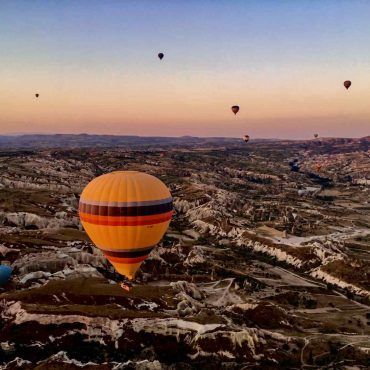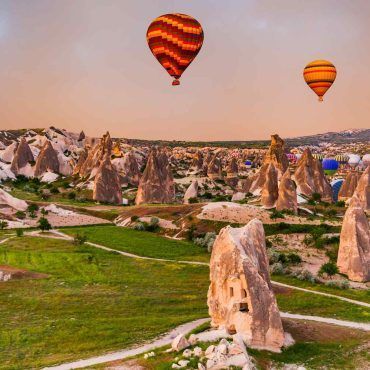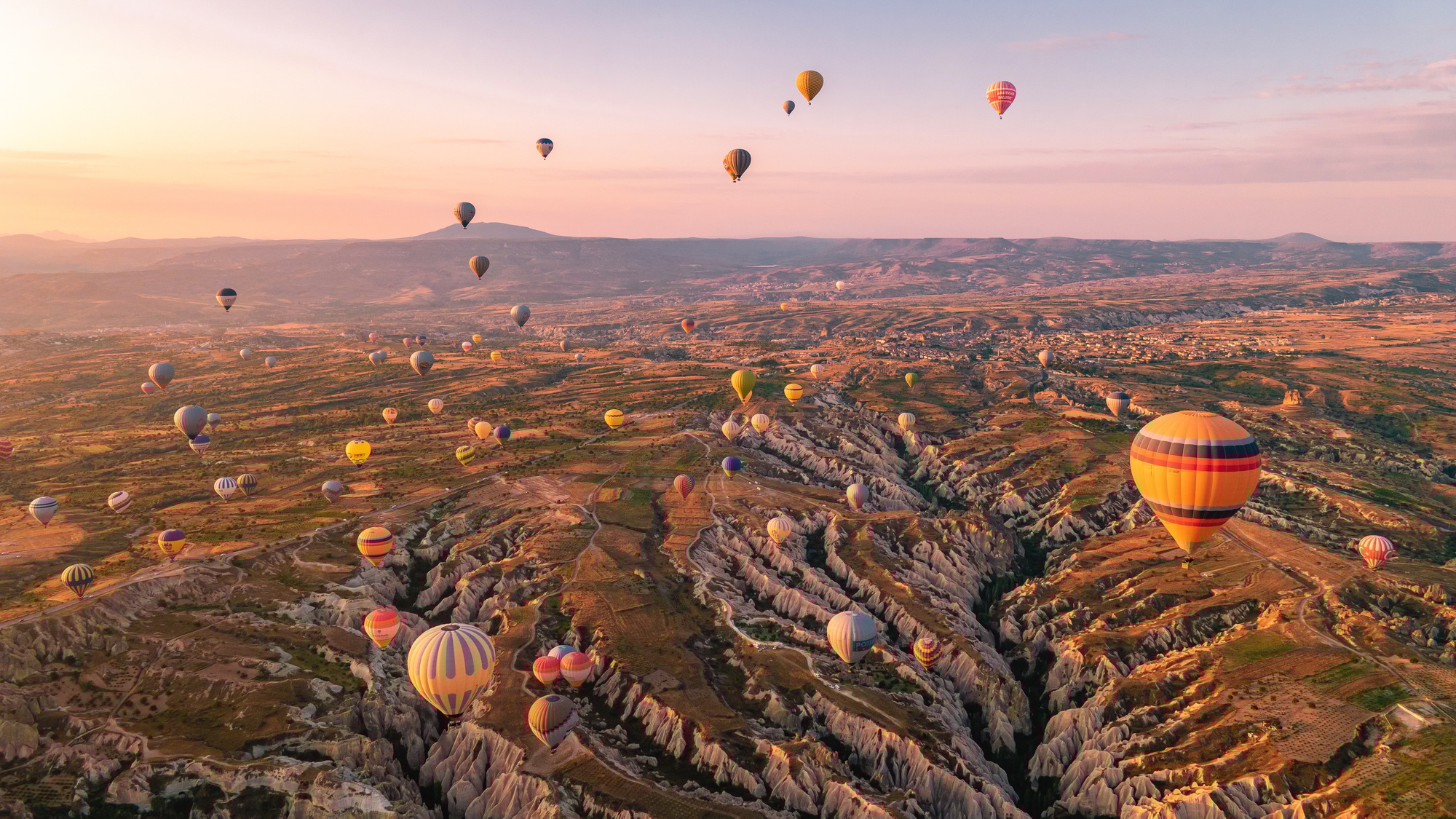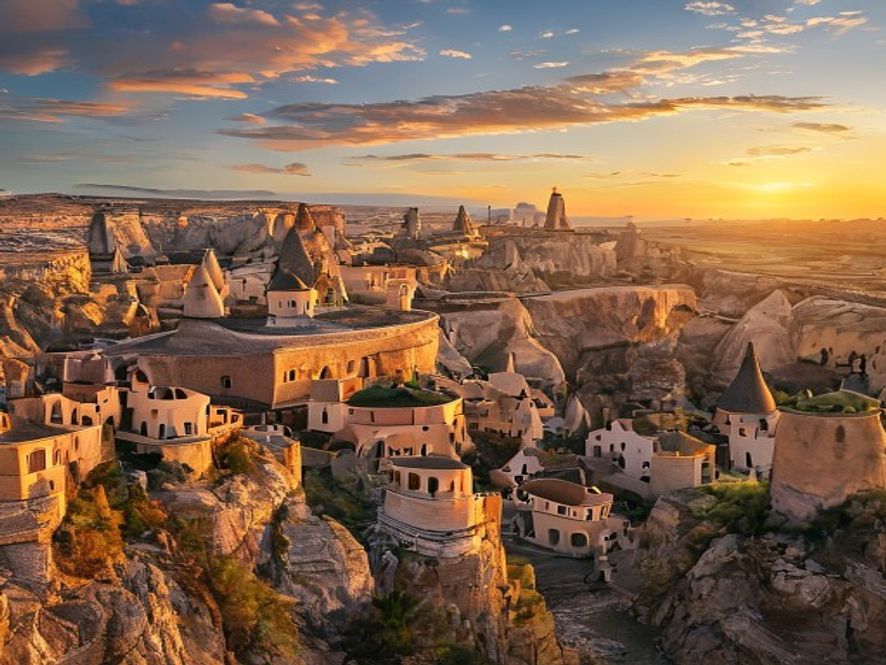
Few places on earth stop you in your tracks quite like Cappadocia. Sculpted by volcanic eruptions millions of years ago and shaped further by centuries of human ingenuity, this region in central Turkey looks like something pulled straight from a fantasy novel. Towering fairy chimneys, cave hotels carved into cliffs, and the sight of dozens of hot air balloons drifting silently over a surreal landscape at sunrise — Cappadocia delivers experiences that are genuinely hard to find anywhere else in the world.
Why Cappadocia Belongs on Your Travel List
Cappadocia is not just a pretty backdrop for photographs. It is a living, breathing destination with deep history, vibrant local culture, world-class cuisine, and an outdoor adventure scene that surprises most first-time visitors. Whether you are a history enthusiast eager to explore Byzantine churches carved into rock, an adventure seeker ready to hike through rose-colored valleys, or simply someone looking for a truly unique place to unwind, Cappadocia has something to offer. The region sits in Nevşehir Province and is anchored by the charming town of Göreme, which serves as the primary base for most travelers.
The Best Time to Visit Cappadocia
Timing your visit well can make a significant difference in how you experience the region. Each season brings its own character, and understanding what to expect will help you plan accordingly.
- Spring (April to June): Wildflowers bloom across the valleys, temperatures are comfortable for hiking and outdoor exploration, and the landscape turns vivid green. This is widely considered the best overall time to visit.
- Summer (July to August): Long days and warm evenings make summer popular, but it is also the busiest and hottest season. Book accommodations well in advance if you plan to travel during these months.
- Autumn (September to November): Arguably the most photogenic season, with golden light, harvest festivals, and fewer crowds than summer. Temperatures remain pleasant well into October.
- Winter (December to March): Snow-dusted fairy chimneys create a breathtaking and unusual scene. Crowds thin out considerably, prices drop, and the atmosphere feels intimate and peaceful. Hot air balloon flights may be less frequent due to weather conditions.
Hot Air Balloon Rides: The Iconic Cappadocia Experience
If there is one activity that defines a Cappadocia trip for most visitors, it is the hot air balloon ride at dawn. Floating above the valleys as the sun rises and casts long shadows across the rock formations below is an experience that stays with you long after you return home. Flights typically last around one hour and are followed by a champagne toast, a tradition that has become a beloved part of the ritual. Reputable operators prioritize safety above all else, so it is worth doing your research and booking through established companies rather than simply opting for the cheapest option available. Prices generally range from 150 to 300 USD per person depending on the operator and balloon size.
Top Attractions and Things to Do
Beyond the balloon rides, Cappadocia is packed with attractions that reward curious travelers willing to get off the main tourist trail.
- Göreme Open Air Museum: A UNESCO World Heritage Site featuring rock-cut churches adorned with remarkably well-preserved Byzantine frescoes dating back to the 10th and 11th centuries. Plan at least two to three hours here.
- Derinkuyu Underground City: One of the deepest and most extensive underground cities in the region, Derinkuyu once sheltered thousands of people from invaders. Exploring its tunnels, ventilation shafts, and communal spaces is both fascinating and slightly humbling.
- Rose Valley and Red Valley: These interconnected valleys offer some of the best hiking in the region, with trails winding past cave churches, vineyards, and rock formations that glow in shades of pink and amber at sunset.
- Uçhisar Castle: The highest point in Cappadocia, this natural rock fortress offers panoramic views across the entire region. Arrive in the late afternoon for golden hour photography.
- Avanos: A riverside town famous for its pottery tradition, which dates back thousands of years. Watching a local artisan work at the wheel and trying your hand at shaping clay is a memorable and grounding experience.
- Ihlara Valley: A dramatic canyon carved by a river, lined with rock-cut churches and accessible via a scenic hiking trail. Less visited than some other sites, it rewards those who make the journey.
Where to Stay in Cappadocia
Staying in a cave hotel is one of the defining pleasures of a Cappadocia visit. These properties are carved directly into the volcanic rock and offer a combination of rustic charm and modern comfort that is unlike anything you will find in a conventional hotel. Göreme is the most convenient base, with options ranging from budget guesthouses to boutique luxury properties with private terraces and plunge pools overlooking the valleys. Ürgüp and Uçhisar are quieter alternatives that appeal to travelers looking for a more relaxed atmosphere. Book early if you are traveling in spring or autumn, as the best properties fill up months in advance.
Getting Around Cappadocia
The region is compact enough to explore comfortably, but public transportation between sites is limited. Renting a scooter or car gives you the most flexibility and allows you to reach viewpoints and villages that tour buses skip entirely. Organized day tours are a practical option for those who prefer a guided experience and cover the major highlights efficiently. Many travelers find that combining a guided tour for the first day with independent exploration on subsequent days strikes the right balance between convenience and freedom.
Food and Drink: What to Eat in Cappadocia
Cappadocian cuisine draws on the agricultural richness of central Anatolia and features hearty, satisfying flavors. Testi kebab — meat and vegetables slow-cooked inside a sealed clay pot that is dramatically broken open at the table — is the regional signature dish and well worth seeking out. Manti, small Turkish dumplings served with yogurt and spiced butter, are another local favorite. The region also produces its own wine, with volcanic soil lending a distinctive mineral quality to both red and white varieties. Visiting a local winery for a tasting is a pleasant way to spend an afternoon.
Practical Travel Tips for First-Time Visitors
- Carry cash: While larger hotels and restaurants accept cards, many smaller shops, local eateries, and market stalls operate on a cash-only basis. ATMs are available in Göreme and Ürgüp.
- Dress in layers: Temperatures can shift significantly between morning and afternoon, especially in spring and autumn. A light jacket is essential for early morning balloon rides.
- Book balloon rides in advance: Reputable operators sell out weeks ahead during peak season. Secure your spot before you arrive.
- Respect the rock: Stay on marked trails in the valleys and avoid climbing on the fairy chimneys. These formations are fragile and irreplaceable.
- Learn a few words of Turkish: Even a simple merhaba (hello) or teşekkür ederim (thank you) goes a long way with locals and enriches your interactions considerably.
- Allow more time than you think you need: Most visitors who spend only one or two nights leave wishing they had stayed longer. Three to four nights is a comfortable minimum to do the region justice.
Start Planning Your Cappadocia Adventure
Cappadocia is one of those rare destinations that consistently exceeds expectations, regardless of how many stunning photographs you have seen in advance. The combination of extraordinary natural scenery, layered history, warm hospitality, and genuinely distinctive experiences makes it a place worth traveling a long distance to reach. Whether this is your first trip to Turkey or you are returning to explore a region you fell in love with years ago, Cappadocia has a way of making every visit feel like a discovery. Stay up to date with the latest local insights, seasonal events, and travel recommendations right here at CappadociaNow — your trusted guide to everything this remarkable region has to offer.